Choosing the Right Dog Breed: Matching a Puppy to Your Lifestyle

So, you've decided you want a dog. Brilliant! But before you fall head over heels for those puppy-dog eyes on the breeder's website, there's some honest thinking to be done. Choosing a dog based purely on looks or what's trendy is a bit like buying a sports car when you need a family estate: it might look the part, but it won't fit your life.
At Brodzig's Dog Training, we see plenty of lovely dogs who've ended up in homes that just don't match their needs. The good news? With a bit of planning and realistic thinking, you can find a breed that'll slot into your life beautifully: and we're here to help you get off on the right foot once they arrive.
Think About Your Living Space (Honestly)
Let's start with the obvious: where do you actually live? If you're in a flat or a house without a garden, that doesn't automatically rule out dog ownership, but it does narrow your options.
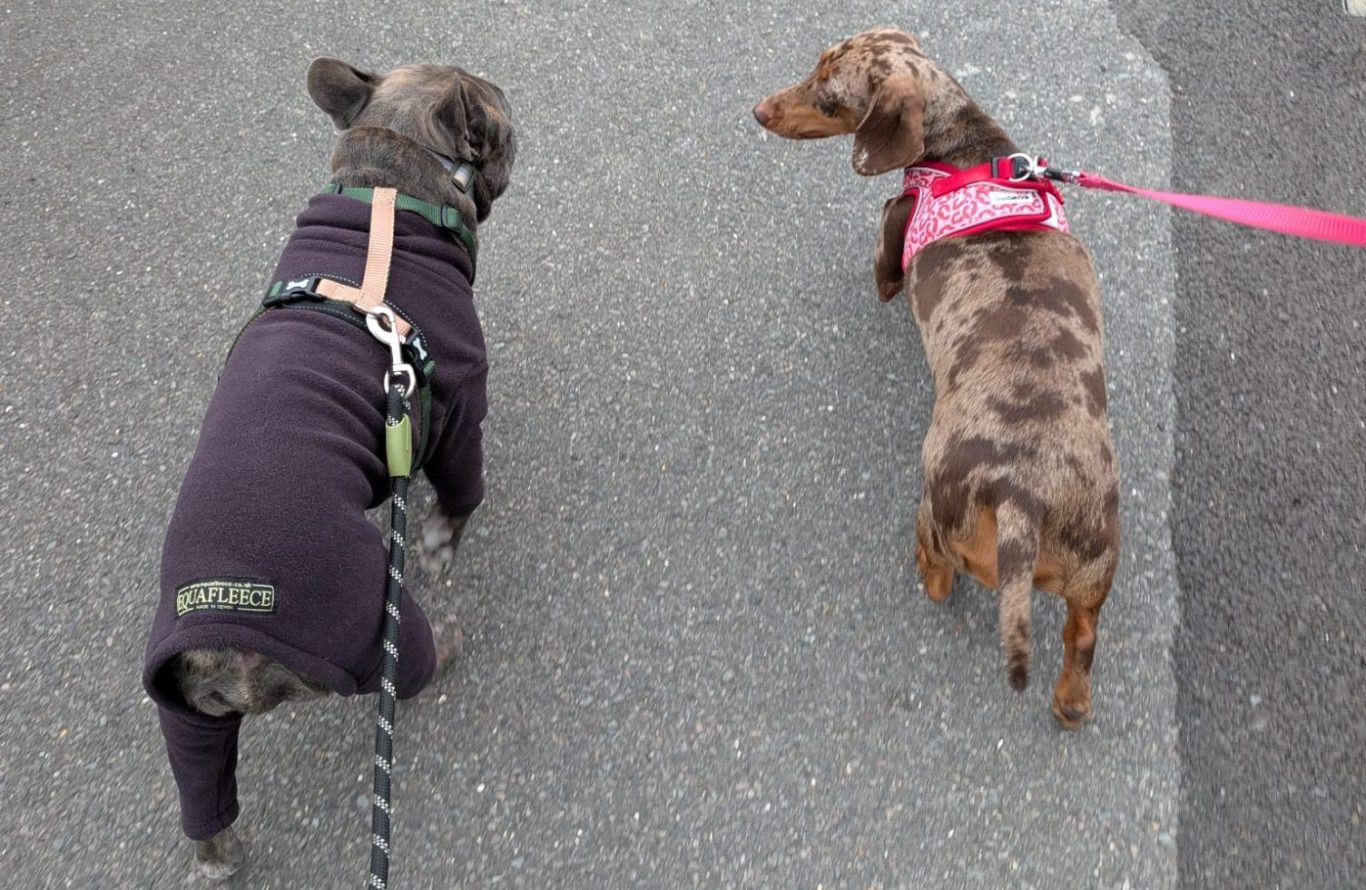
Smaller breeds like French Bulldogs, Cavalier King Charles Spaniels, or even a well-exercised Dachshund can thrive in apartments: provided they're getting enough mental stimulation and outdoor time. These dogs aren't marathon runners, but they still need walks, enrichment, and a bit of adventure in their day.
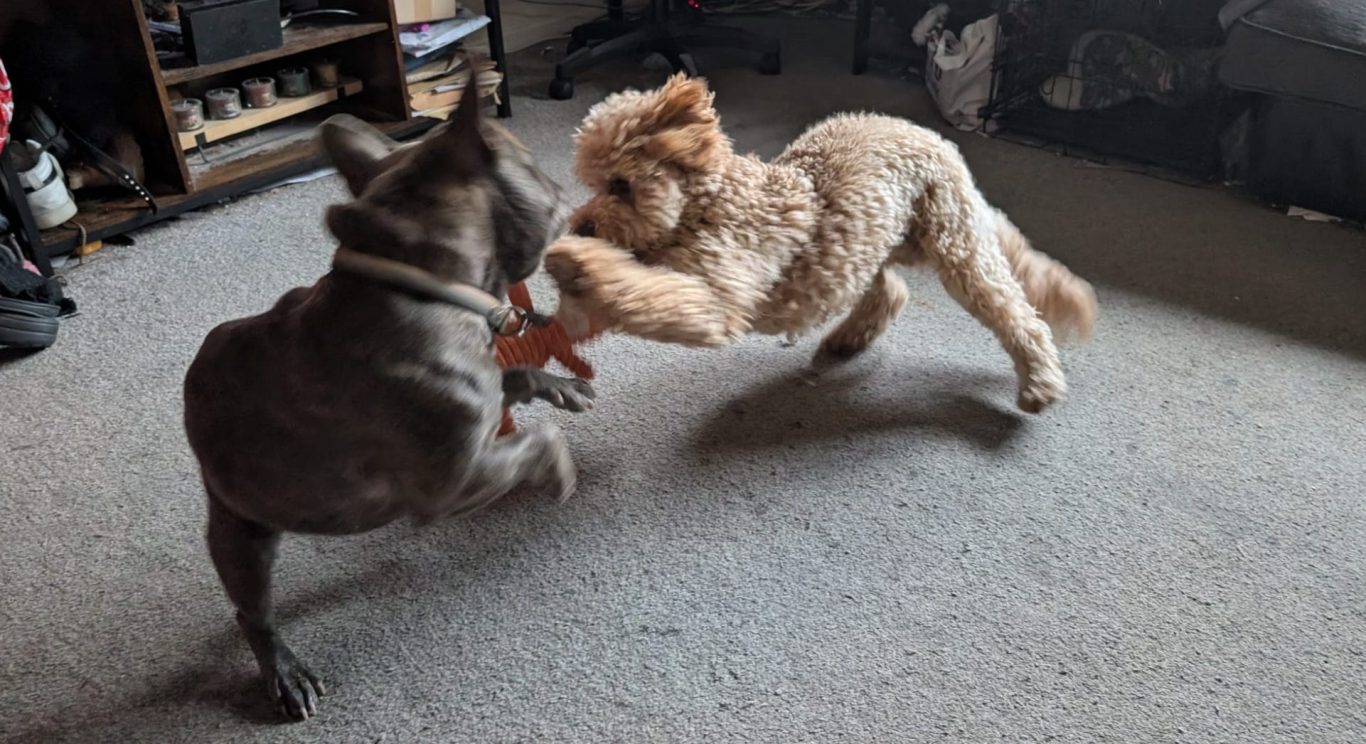
On the flip side, if you've got a house with a decent garden and access to fields or beaches here in Dorset, you've got more wiggle room. Breeds like Labradors, German Shepherds, or Collies will appreciate the space: but remember, a garden isn't a substitute for proper exercise and training. A bored Collie in a big garden is still a bored Collie, and that usually means trouble.
The key question isn't "Do I have space?" but "Can I realistically meet this breed's physical and mental needs?"
The Real Cost of Dog Ownership
Let's talk money, because it's not just the upfront puppy price you need to budget for.
Food is the obvious one. A Chihuahua will cost you considerably less to feed than a Great Dane, but quality food isn't cheap regardless of breed. Budget anywhere from £30–£100+ per month depending on size and dietary needs.
Insurance is non-negotiable. A decent policy can range from £20–£80 per month, and certain breeds (particularly those prone to health issues) will push that higher. Large breeds, brachycephalic breeds (flat-faced dogs like Pugs and Bulldogs), and some pedigree lines come with heftier premiums.
Vet bills add up fast, even for healthy dogs. Annual vaccinations, flea and worm treatments, and the occasional emergency can easily hit £500–£1,000 a year. And that's before we talk about potential breed-specific health issues like hip dysplasia in Labradors or eye problems in Collies.
Then there's grooming. Breeds like Poodles, Spaniels, and anything with a long or curly coat will need professional grooming every 6–8 weeks. That's another £40–£70 a pop.
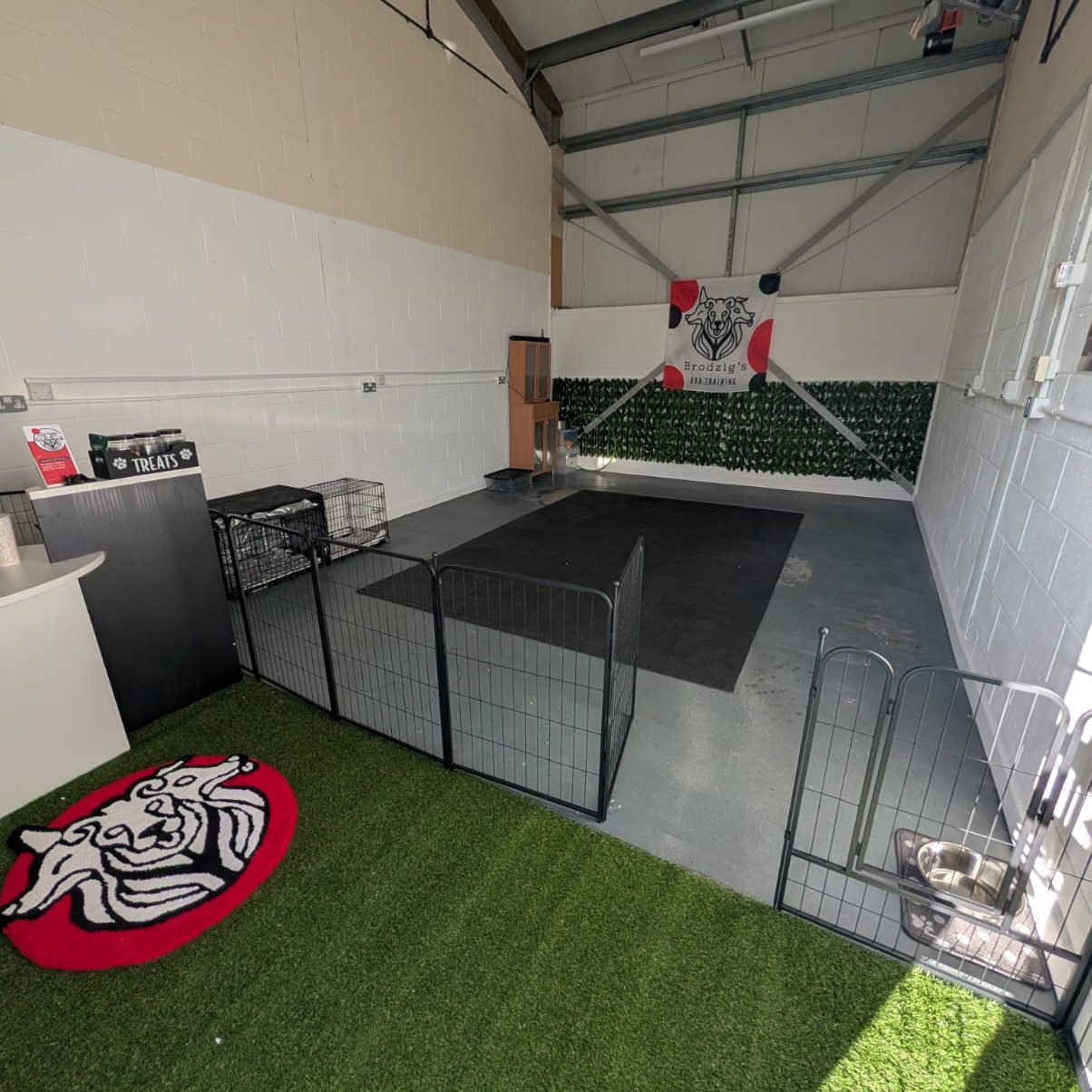
And let's not forget training. Whether it's our Puppy Foundations group classes or bespoke 1-1 sessions here at our purpose-built training centre in Dorset, investing in proper puppy training from the start saves you a world of stress (and chewed furniture) down the line.
The Bit Most People Miss: Breed-Specific Behaviours
Here's where it gets interesting: and where a lot of well-meaning owners come unstuck.
Every breed was developed for a job. Terriers were bred to hunt vermin. Collies were bred to herd sheep. Gundogs were bred to retrieve game. And even though your Cocker Spaniel isn't working on a shooting estate anymore, those instincts are still hardwired into their brain.
If you don't give your dog an outlet for these natural behaviors, they'll find their own: usually in ways you won't enjoy.
Gundogs: Retrievers, Spaniels, and Pointers
Gundogs are some of the most popular family pets in the UK, and for good reason. They're generally sociable, trainable, and great with kids. But they were bred to work closely with humans, often for hours at a time, using their noses and retrieving game.
A bored Spaniel will shred your sofa cushions. A Labrador with nothing to do will counter-surf, dig up your garden, or bounce off the walls. These dogs need to use their brains.
The solution? Scent work and retrieving games. Hide treats around the house or garden and let them sniff them out. Play fetch (properly: not just endless ball-throwing, which can be obsessive). Try activities like gundog training, scentwork classes, or even our Agility sessions, which give them a physical and mental workout.

When these dogs are tired in body and mind, they're absolute angels. When they're not, they're chaos on four legs.
Herding Breeds: Collies, Australian Shepherds, and Corgis
Herding breeds are stunningly intelligent. They're also intense, sensitive, and driven. A Border Collie isn't content with a quick walk around the block: they want a job, and they want to do it perfectly.
Without structure, these dogs can become anxious, obsessive, or reactive. They might start herding the kids, barking at anything that moves, or developing compulsive behaviours like tail-chasing or shadow-stalking.
The answer? Give them something to herd. You don't need sheep (though that's the gold standard). Herding games with a flirt pole, decoy work, or trick training all tap into that natural drive. Agility, obedience, or even learning complex tasks like tidying up their toys can keep their brilliant brains busy.
At Brodzig's Dog Training, we work with plenty of herding breeds in both group classes and 1-1 sessions, helping owners channel that energy into calm, focused work. These dogs thrive on structure and clear communication: when they know what's expected, they're phenomenal.
What About Mixed Breeds?
Not getting a pedigree? No problem. Mixed breeds can make absolutely wonderful companions, but you'll need to do a bit of educated guessing about what drives are lurking in the mix.
A Collie cross will likely still have herding instincts. A Spaniel cross will probably love a good sniff and retrieve. The more you know about the parent breeds, the better you can predict what your pup will need.
And if you've got a rescue dog with unknown heritage? Start with the basics: plenty of enrichment, positive training, and a good dog trainer who can help you figure out what makes them tick.
Setting Your Dog Up for Success from Day One
Regardless of breed, every puppy benefits from structured, positive training from the moment they come home.
Our Puppy Foundations course is designed for pups aged 8–16 weeks, covering everything from toilet training to recall, lead walking, and confidence building. It's a calm, supportive environment where both you and your pup can learn together.
For those who prefer a more tailored approach: or have a specific breed with particular needs: our 1-1 sessions at our purpose-built training centre in Dorset offer bespoke support. Whether you've got a gundog who needs structured retrieve work or a Collie who's struggling with overstimulation, we'll build a plan that fits.
Final Thoughts: Choose With Your Head and Your Heart
Look, we all fall in love with certain breeds. I get it. But the kindest thing you can do for a dog: and yourself: is to choose with honesty.
If you work long hours and live in a small flat, a high-energy working breed probably isn't the right fit. If you want a running buddy and you've got the time and space to train properly, a Springer Spaniel or Vizsla might be perfect.
Match the dog to your life, not the other way around. And once you've made that choice, invest in proper dog training to give your pup the best possible start.
We're here to help, whatever breed you choose. Whether it's Puppy Foundations, Calm Confidence for adolescent dogs, or ongoing 1-1 support, Brodzig's Dog Training is here to build confident, happy dogs: and confident, happy owners.
If you're in Dorset and thinking about getting a puppy, or you've already got one and want to start on the right paw, get in touch. We'd love to meet you both.